
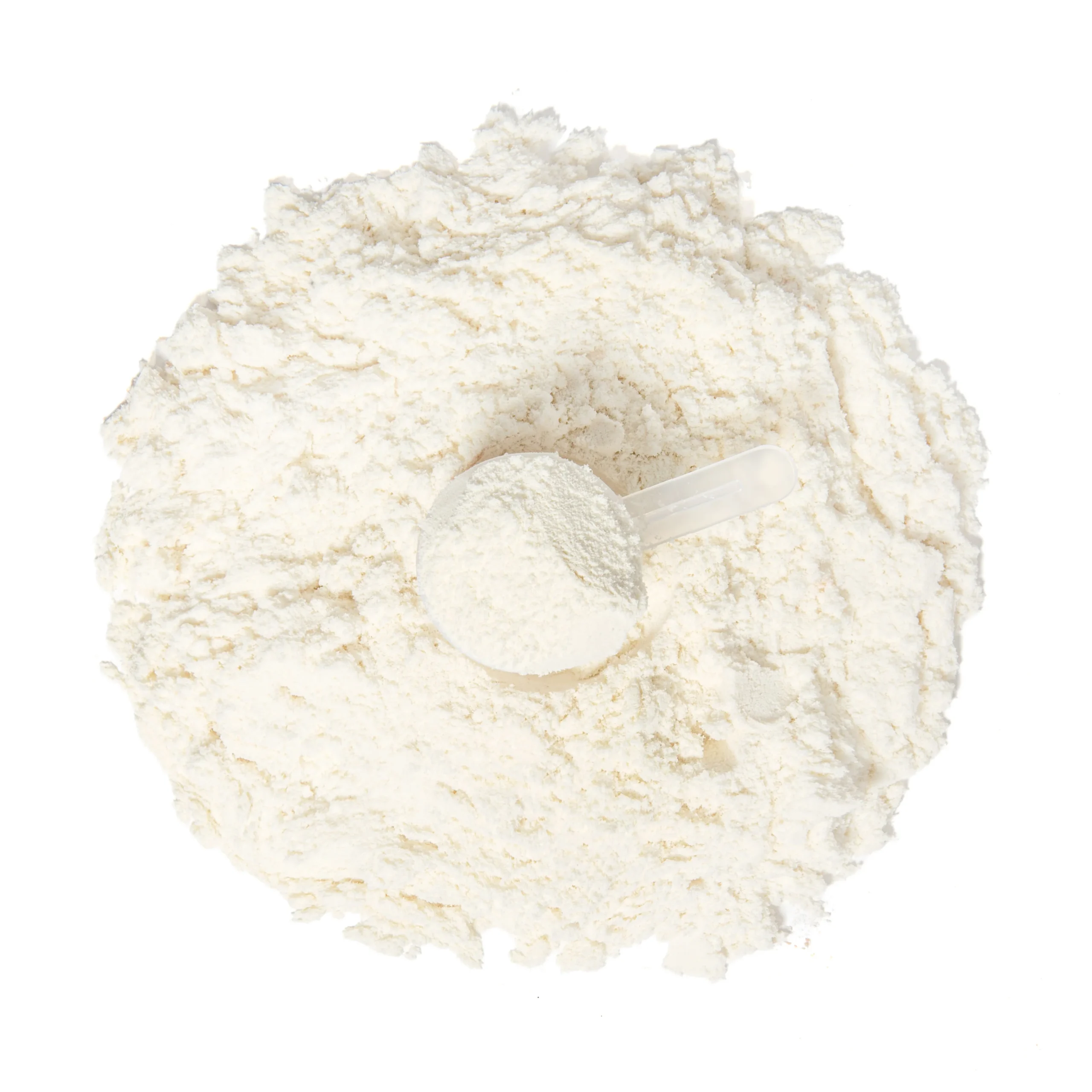
What Is Whey Protein Powder?
Whey protein is a mixture of proteins isolated from whey, which is the liquid part of milk that separates during cheese production.Milk actually contains two main types of protein: casein (80%) and whey (20%).Whey is found in the watery portion of milk. When cheese is produced, the fatty parts of the milk coagulate and the whey is separated from it as a byproduct.
Whey is a nutrient-dense, nearly translucent liquid consisting of all nine essential amino acids (the building blocks of protein) and vitamins and minerals. The liquid whey is filtered and dried to make whey protein powder.
Whey protein powder is often used as a nutritional supplement, and it can be added to smoothies, shakes, protein bars and balls, meal replacements and more. Because whey is dairy-based, it is not a vegan product. You’ll want to look for a plant-based protein powder instead, such as soy, hemp, pea or rice, if you are following a vegan diet.
The most common reason people take whey protein is to help boost their athletic performance. In such cases, the protein is taken after a workout, so the amino acids can help the body increase muscle mass and strength and potentially improve muscle recovery. Whey protein may also be recommended for people with nutritional deficiencies.
| Product Name | Whey Protein Powder |
| Active Ingredient | Konjac Glucomannan |
| Appearance | Light Yellow Powder |
| Specification | WPI90%, WPC80% |
| Test | HPLC |
| Grade | Food grade |
| COA | Avaialble |
| Certificate | Kosher, Halal, EU, USDA, HACCP, FSSC 22000, Organic,FDA,QS |
| Sample | 5-50g Sample For free |
| MOQ | 1kg |
| OEM Service | OEM bag/bottle is available with private label. |
| Packaging | 1kg/bag/carton or 25 kg/drum or carton or Customers’ Requirement |
| Shelf life | 2 year,Available InBulk, Private Label/OEM, Individually Packaged Goods |
Whey protein types
There are three primary types of whey protein supplements: whey protein concentrate (WPC), whey protein isolate, and whey protein hydrolysate.
- Whey Protein Concentrate (WPC)
WPC is the most cost-effective among the three whey protein powders, containing a protein content range of approximately 58% to 89%. It includes fat, lactose, and immune-enhancing peptides as additional components. The protein concentration can vary from 50% to 90%, making it suitable for beginners looking to start an exercise regimen, individuals aiming to build muscle, and those seeking to gain weight.
- Whey Protein Isolate
Whey protein isolate boasts a high protein concentration, typically around 95%, with minimal lactose and fat content, approximately 5%. It is ideal for individuals who wish to exercise while closely controlling their carbohydrate and fat intake, focusing on developing lean and well-defined muscles.
- Whey Protein Hydrolysate
Whey protein hydrolysate is the most expensive of all whey proteins and contains an exceptionally high protein concentration of around 99%. Through a process called hydrolysis, the molecules are broken down to enhance absorption and digestion by the body. This form of whey protein is highly water-soluble and rapidly absorbed, making it beneficial for nutrition support, immune system enhancement, and improving the quality of life for cancer patients. It is considered the top choice among whey protein supplements.
What is the health benefit of whey protein?
Whey protein offers numerous health advantages due to its rich content of macronutrients and vitamins, making it a valuable nutritional source. Low-sugar whey protein is an excellent protein source, supplying essential nutrients. Protein plays a crucial role in bone maintenance, muscle strengthening, hair growth, and supporting various organs within the body. Additionally, whey protein is associated with several specific health benefits, including:
- Helps with weight loss
Whey protein offers support for weight loss, as demonstrated by research, aiding in the reduction of body fat while preserving muscle mass effectively. Its low carbohydrate combined with high protein content promotes fat burning. Moreover, whey protein contributes to a sense of fullness, helping with appetite control. It is also characterized by low fat, low cholesterol, and low lactose levels, making it a suitable choice for individuals seeking to restrict their carbohydrate intake.
- Promotes muscle growth
Whey protein serves as an excellent muscle-building resource. It furnishes the body with crucial amino acids necessary for muscle growth, tissue repair, and the development of new muscle. Additionally, it plays a role in slowing down and preventing bodily degeneration. When combined with weight-training exercises, consuming whey protein promotes growth in muscle mass, a key indicator of overall good health.
- Repairs muscles
Whey protein facilitates muscle growth and repair. Daily activities and exercise deplete the body’s energy stores, leading to muscle breakdown. Whey protein, as a natural protein source, is highly effective for the growth and repair of muscles.
- Maintains heart health
Whey protein can reduce LDL cholesterol (LDL-C) levels, a contributing factor to heart disease and stroke. It also impacts positively on blood pressure, contributing to a decreased risk of cardiovascular disease.
- Helps treat type 2 diabetes
Type 2 diabetes is a chronic condition characterized by elevated blood sugar levels and impaired insulin function. Consuming a whey protein supplement before or alongside a high-carbohydrate meal can aid in regulating blood sugar levels, offering significant benefits for individuals with type 2 diabetes.
- Reduces inflammation in the body
Chronic inflammation poses a significant health risk and is associated with various diseases adversely affecting overall well-being. Elevated levels of C-reactive protein in the bloodstream indicate inflammation within the body. Studies have demonstrated that high doses of whey protein can lower blood C-reactive protein, suggesting its potential to reduce inflammation.
- Enhances bodily antioxidant defenses
Whey protein plays a role in stimulating glutathione production, one of the body’s primary antioxidants. Glutathione acts as an antioxidant, mitigating the risk of several chronic diseases and augmenting the body’s innate antioxidant defenses.
- Reduce blood cholesterol
Whey protein reduces LDL cholesterol (LDL-C), often called “bad” cholesterol, in the bloodstream. Lowering LDL-C is a positive step in mitigating the risk of heart disease.
- Reduces hunger
Whey protein can promote a prolonged sense of satiety, making it particularly valuable for individuals aiming to lose weight opting for low-calorie food choices.
Does Whey Protein Contain Lactose?
Yes, there is lactose in whey protein. Whey protein concentrate contains about 70-80% protein and retains some lactose, usually ranging from 3 to 8 grams per serving. This can be a concern for individuals with lactose intolerance.
Does Whey Protein Contain Gluten?
Whey protein is naturally gluten-free, making it a suitable option for those on a gluten-free diet. When asked “Does whey contain gluten?” The answer is no. Pure whey powder is gluten-free. However, it’s essential to check the labels, as some flavored or processed whey powders may contain additives that could introduce gluten. If you’re following a gluten-free diet, look for products specifically labeled as “gluten-free” to ensure they meet your dietary needs.
Is Whey Protein Dairy-Free?
No, whey protein is not dairy-free. Whey protein is derived from milk—therefore, it is not dairy-free. However, there are options available for individuals who are sensitive to lactose. Whey protein isolate, for example, has a higher protein content (around 90% or more) and is processed to remove most lactose, typically containing less than 1 gram per serving. This makes it a suitable option for many individuals who experience lactose intolerance with whey protein.
If you’re looking to try whey protein, one simple way is to add whey protein powder to smoothies, oatmeal, soups, baked goods and other recipes.
Whey Protein Powder Quality Supplier And Manufacturer
VP Trading are a global supplier of a broad range of food ingredients that adhere to strict regulations and quality control standards to ensure the safety and suitability of our ingredients, providing the basis for creating innovative foods with the desired nutritional profile and functionality, meeting the growing demand for specialized ingredients for various dietary requirements (e.g. vegan, gluten-free or low in sugar). We adhere to strict food safety standards to prevent contamination and ensure that ingredients are safe to consume.
Our supply includes nutritional ingredients (proteins, carbohydrates, fats, vitamins and minerals, functional ingredients (emulsifiers, thickeners, preservatives and colorants) as well as gluten-free ingredients or special dietary ingredients etc.

Reviews
There are no reviews yet.