
Chemical analysis
| CHARACTERISTIC | SPECIFICATIONS | UNITS |
|---|---|---|
| SiO 2 | 50.27 | % |
| Al 2 O 3 | 18.81 | % |
| On 2 O | 0.02 | % |
| MgO | 3.40 | % |
| CaO | 1.30 | % |
| Fe 2 O 3 | 7.40 | % |
| K 2 O | 2.23 | % |
| TiO 2 (GLA) | 0.68 | % |
| MnO | 0.03 | % |
| P 2 O 5 | 0.04 | % |
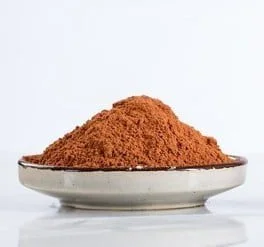
Red clay is a mineral substance mined in French mines. Its name comes from the color of the powder—yellow-brown, light brown, or brownish-red. Its pH ranges from 4.0 to 8.5.
Due to its cleansing properties, red clay is used both externally and internally. It can be used in masks for the face (helps fight acne), the whole body (cleanses and reduces cellulite), and even for hair (strengthens hair and nourishes the scalp). Adding it to a cream or toner will mattify the skin of those with oily skin, and reduce sensitivity and redness in those with vascular problems. Furthermore, adding it to toothpaste will help strengthen gums.
Thanks to its antiseptic properties, red clay can also be used to treat throat infections, and drinking it with water will help cleanse the body.

Reviews
There are no reviews yet.