
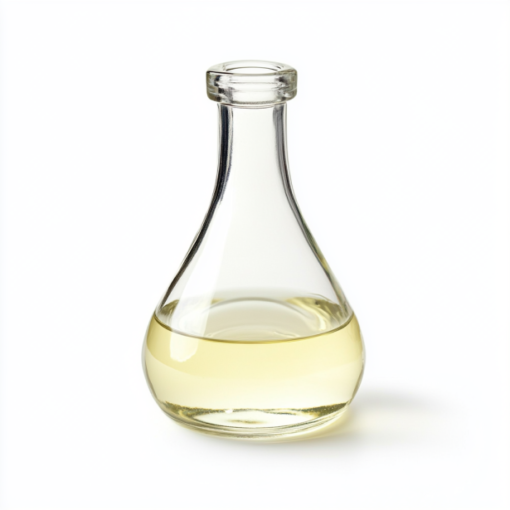
Pyruvic acid occurs naturally in many foods, such as apples, honey, and vinegar, as well as in fermented fruits, dark wine, and beer. In living organisms, pyruvic acid is a key metabolite in the process of glycolysis—the conversion of glucose into energy—acting as an intermediate step in the alcoholic fermentation of carbohydrates.
Properties of pyruvic acid
Pyruvic acid is characterized by its small molecular size, allowing it to penetrate deeply into the skin. It possesses both a carboxyl and a carbonyl group, making it more potent than other acids, such as lactic acid. At concentrations above 50%, it can quickly and deeply penetrate the skin, exfoliating and stimulating skin cells.
Action of pyruvic acid:
- has a strong exfoliating effect – it exfoliates dead skin cells,
- has a seboregulating effect, reducing sebum secretion,
- has the ability to stimulate fibroblasts – supports the production of collagen and elastin,
- has antibacterial and anti-inflammatory effects,
- has brightening properties,
- is a natural inhibitor of enzymes responsible for inflammation, such as cyclooxygenase (COX) and lipoxygenase (LOX) – reduces the synthesis of inflammatory mediators, such as prostaglandins and leukotrienes, reducing inflammation and irritation,
- has antioxidant properties.
Application
Pyruvic acid is used in dermatology to treat acne, particularly in individuals with oily and blackhead-prone skin. Pyruvic acid peels can also be used to reduce superficial acne scars and wrinkles. Pyruvic acid is also used in anti-aging treatments.
Due to its intense effects, the use of pyruvic acid in high concentrations (over 50%) must only be performed by qualified professionals. Lower concentrations can be used at home, but always under the supervision of a professional.
Reviews
There are no reviews yet.